Negative Gearing in Australia Explained: Tax Benefits & Cash Flow Realities
A clear guide to negative gearing for Australian property investors. Understand how tax deductions work, cash flow management, and capital gains implications.
Negative gearing is one of the most widely discussed—and frequently misunderstood—features of the Australian taxation and property investment system. At its core, negative gearing occurs when the ongoing costs of owning an income-producing asset exceed the rental revenue it generates. While it provides substantial personal income tax relief, investors must understand the practical cash-flow realities before adopting a negatively geared strategy.
How Negative Gearing Works in Practice
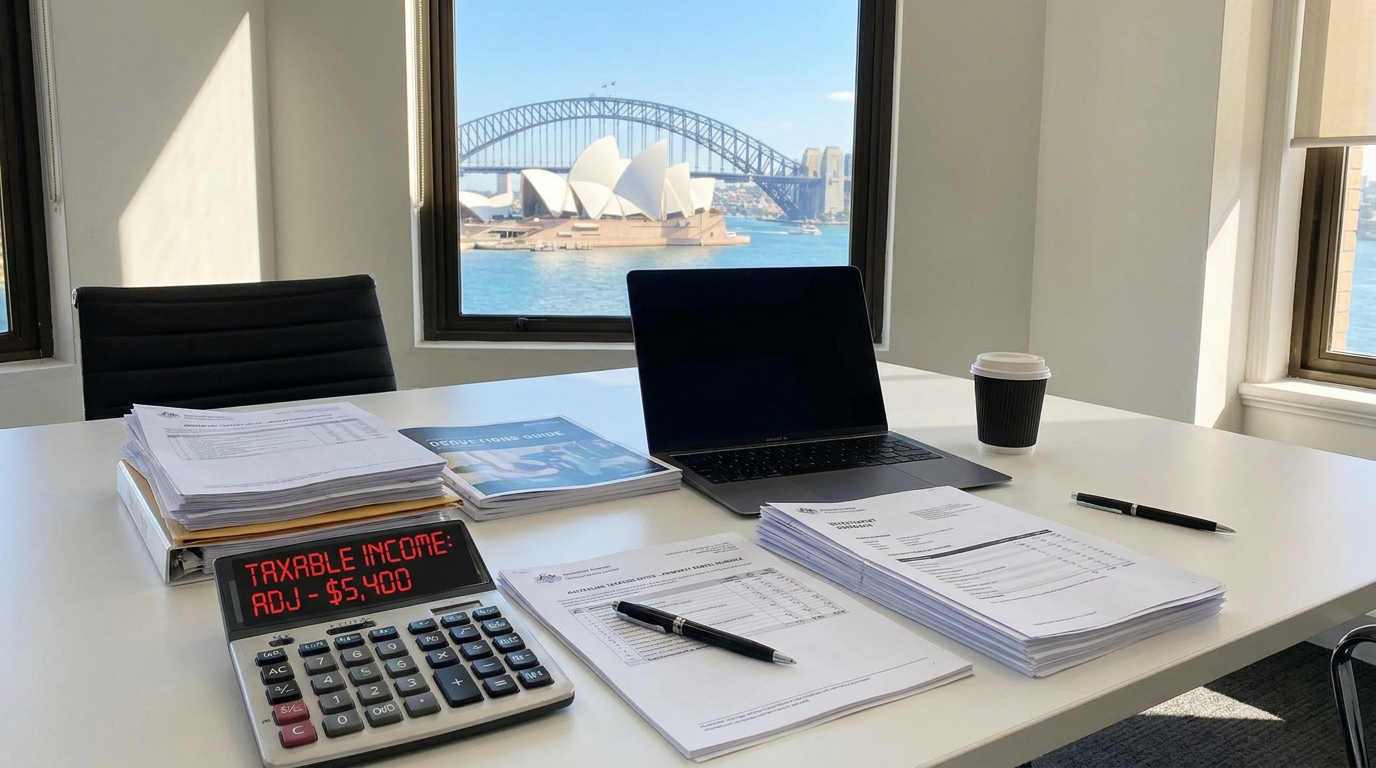
Under Australian tax law, if your rental property operates at a net financial loss, that loss can be directly offset against your other taxable income (such as your PAYG salary or professional earnings), lowering your overall annual income tax liability.
Allowable deductible expenses include:
Mortgage Interest: The interest component of your loan repayments (not principal repayments).
Property Outgoings: Council rates, water charges, strata levies, landlord insurance, and property management commissions.
Repairs and Maintenance: Ongoing upkeep directly incurred to maintain the asset’s rentable condition, such as servicing air conditioning units or repairing plumbing leaks.
Borrowing Expenses: Loan establishment fees and title search charges, typically deductible over five years or the life of the loan.
Pest Control & Safety Checks: Mandatory smoke alarm compliance and annual termite inspection costs.
For investors weighing immediate yields against long-term gains, our analysis in rental yield vs capital growth in Sydney property illustrates why high-capital-growth markets frequently produce negatively geared assets in their early years.
Negative gearing offsets holding losses against salary income, but requires diligent personal cash-flow management.
The Critical Cash Flow Reality: A Loss is Still a Loss
A common misconception is that the Australian government ‘pays’ for your property loss. In reality, you only recover a percentage of the shortfall equal to your marginal tax rate. For example, if you are on the 45% top marginal tax rate plus 2% Medicare levy, an annual holding loss of ,000 delivers a tax reduction of ,700—meaning you still contribute ,300 out of pocket each year to sustain the investment.
Investors can submit a PAYG withholding variation application to the ATO, allowing employers to reduce monthly tax deductions rather than waiting for a lump-sum tax refund at financial year-end.
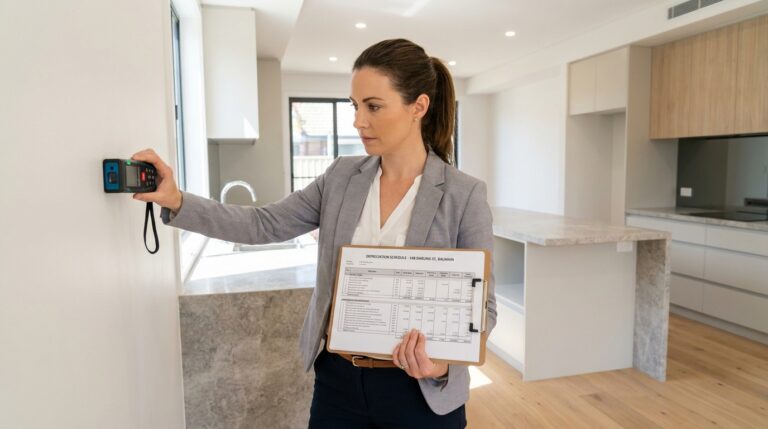
To optimize tax offsets without draining personal liquidity, many investors combine negative gearing with non-cash deductions as detailed in our guide on tax depreciation schedules for property investors.
The Long-Term Payoff: Capital Gains Tax Discount
Why do millions of Australians deliberately hold negatively geared real estate? The underlying goal is capital growth. When the asset is sold after being held for more than 12 months, individual investors benefit from the statutory 50% Capital Gains Tax (CGT) discount administered by the Australian Taxation Office (ATO).
Over a multi-year horizon, the substantial capital gain is expected to vastly exceed the cumulative after-tax holding losses incurred along the way, resulting in substantial net wealth creation.
Summary: Strategy Over Speculation
Negative gearing is not an investment strategy in itself; it is simply a tax mechanism that supports a sound, capital-growth-oriented asset purchase. Always model worst-case interest rate scenarios to ensure your household cash flow can comfortably support the holding costs. Browse our full library in the Investment Property Strategy category to evaluate your portfolio structure.